
I’ll be making my case for why a brand needs a logo. It establishes visual identity. If you can create original concepts through the likes of printed materials, that should be your signal for it being time to create one. There’s several companies that recognize the importance. It’s what validates your professional image. And it builds trust in your service.
Visual identity vs brand identity
Visual identity and brand identity are often used interchangeably, but they represent two very different—yet deeply connected—elements of a business. Visual identity is a brand’s consistent visual expression across all platforms.
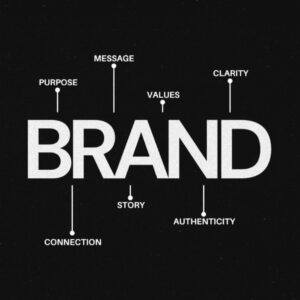
This includes logos, typography, color palettes, layouts, imagery, and design systems that allow an audience to recognize a brand instantly. It is the tangible, visible layer of branding that people encounter first.
Brand identity, on the other hand, is far more internal. It is a manifesto of the personality, values, beliefs, and impressions people associate with you or your business. Brand identity describes who a brand is on the inside—its purpose, tone, positioning, and promise—whereas visual identity expresses who a brand is on the outside. One cannot function effectively without the other. A visually appealing brand without a clear identity feels hollow, while a strong brand identity without visual clarity struggles to be recognized or remembered.
In essence, brand identity is the company’s soul, while visual identity is its outward appearance. When aligned properly, the two work together to create consistency, trust, and emotional connection. Every visual touchpoint—from a website header to a business card—should reinforce the deeper brand message, ensuring that what people see matches what the brand stands for.
What materials are used in printing?
Printing remains a critical component of visual identity, particularly for logos, marketing collateral, packaging, and promotional materials. Behind every printed asset is a system of tools and materials working together to ensure quality, accuracy, and consistency.
Printers are the foundation of the process, ranging from small digital printers for short runs to large-scale offset printers used for mass production. Each type serves a specific purpose depending on volume, color requirements, and material choice.
Ink is equally essential and varies widely depending on the application. Dye-based, pigment-based, UV, and eco-solvent inks all offer different benefits in terms of durability, vibrancy, and environmental impact. The choice of ink directly affects how a logo or design appears across different surfaces.
Cutting systems are used to trim, shape, or contour printed materials. These systems ensure precision, whether cutting standard documents, custom-shaped stickers, or intricate packaging designs. Consistency in cutting is critical to maintaining a professional finish.
Computer software plays a vital role in preparing designs for print. Programs such as Adobe Illustrator, InDesign, and other prepress tools ensure that logos are scalable, color-accurate, and properly formatted before production begins.
Finally, binding equipment brings printed materials together in a finished form. Whether it’s stapling, perfect binding, saddle stitching, or spiral binding, the method chosen impacts usability and perception. High-quality binding reinforces the professionalism and credibility of the brand being represented.
Companies that support the use of logos
Logos are not merely decorative assets; they are protected, strategic business tools. Companies across industries invest heavily in logos because of their legal, psychological, and commercial value. If someone else uses the same or a similar logo you’re working with, they could potentially earn the right to use it commercially—sometimes even over the original creator—if proper trademark protections are not in place.
Nonprofits also capitalize on strong logos, using them to signal legitimacy, attract donors, and reinforce mission alignment. A recognizable logo helps these organizations compete for attention and trust in crowded spaces.
Repeated exposure to the same logo in various contexts develops familiarity and trust. This phenomenon, often explained through the “mere exposure effect,” reinforces a brand’s identity and promise while encouraging repeat purchases and long-term advocacy. Consistency is key—when a logo looks different everywhere, trust erodes.
Research shows that approximately 72% of logos use a combination of icon and text, based on studies analyzing hundreds of brand marks. This balance allows brands to communicate symbolically while maintaining clarity through typography.
For B2B service companies, especially those operating across global markets, a logo must work across borders, on every screen, and in every context. It needs to scale from a website favicon to a trade show banner while remaining recognizable, culturally neutral, and adaptable.
Does a logo really validate your professional image?
A logo is often one of the first interactions people have with your company. Before a word is spoken or a service is delivered, the logo communicates a message—intentional or not—about credibility, professionalism, and seriousness.
Platforms like Fiverr demonstrate both sides of this reality. While accessibility to logo design has increased, not all logos created are strategic or professional. A professional logo should be clean, versatile, and suitable for various applications, from digital screens to print materials.
A well-designed logo helps a business stand out from the competition, particularly in saturated markets. However, customers and potential customers are ultimately the best judges of a logo’s effectiveness. If it feels confusing, outdated, or amateur, it can undermine confidence—even if the service itself is excellent.
Realistically, a logo needs to enhance first impressions. It doesn’t need to explain everything about a business, but it should signal competence and intention. At its best, a logo tells your audience: “We’re established. We’re intentional. You can trust us.”
Building trust in your service
Building trust is not optional—it is foundational to sustainable business growth. Numerous professional platforms, including LinkedIn, highlight proven strategies for earning and maintaining customer trust. Among the most effective approaches are listening to concerns, explaining problems in simple terms, and communicating clearly and honestly.
Trust deepens when businesses live up to their hype. This means underpromising and overdelivering, making focus apparent, and demonstrating high intelligence in areas that matter most to the client. Training yourself to deliver in the way you’re remembered—not just the way you prefer—unlocks a more intense and lasting impression.
Avoid overselling. Instead, set realistic expectations, meet them consistently, and exceed them strategically. Businesses that have a clear opinion and stand by it are often perceived as more confident and trustworthy than those that try to please everyone.
Transparency is another critical factor. Make your process visible and straightforward, and ensure clients can communicate with you easily. When trust is lost, it often has direct financial consequences—lost customers, reduced referrals, and reputational damage.
Above all, listen more than you speak. Customers who feel heard are far more likely to feel valued, respected, and loyal. Trust is built not through grand claims, but through repeated, reliable actions over time.
References
- LinkedIn Business Solutions. Trust-Based Selling and Relationship Building
- Nielsen Norman Group. First Impressions and Visual Design
- Psychology Today. The Mere Exposure Effect
- Siegel+Gale. Global Branding and Logo Simplicity
- Harvard Business Review. How Trust Translates Into Business Value