
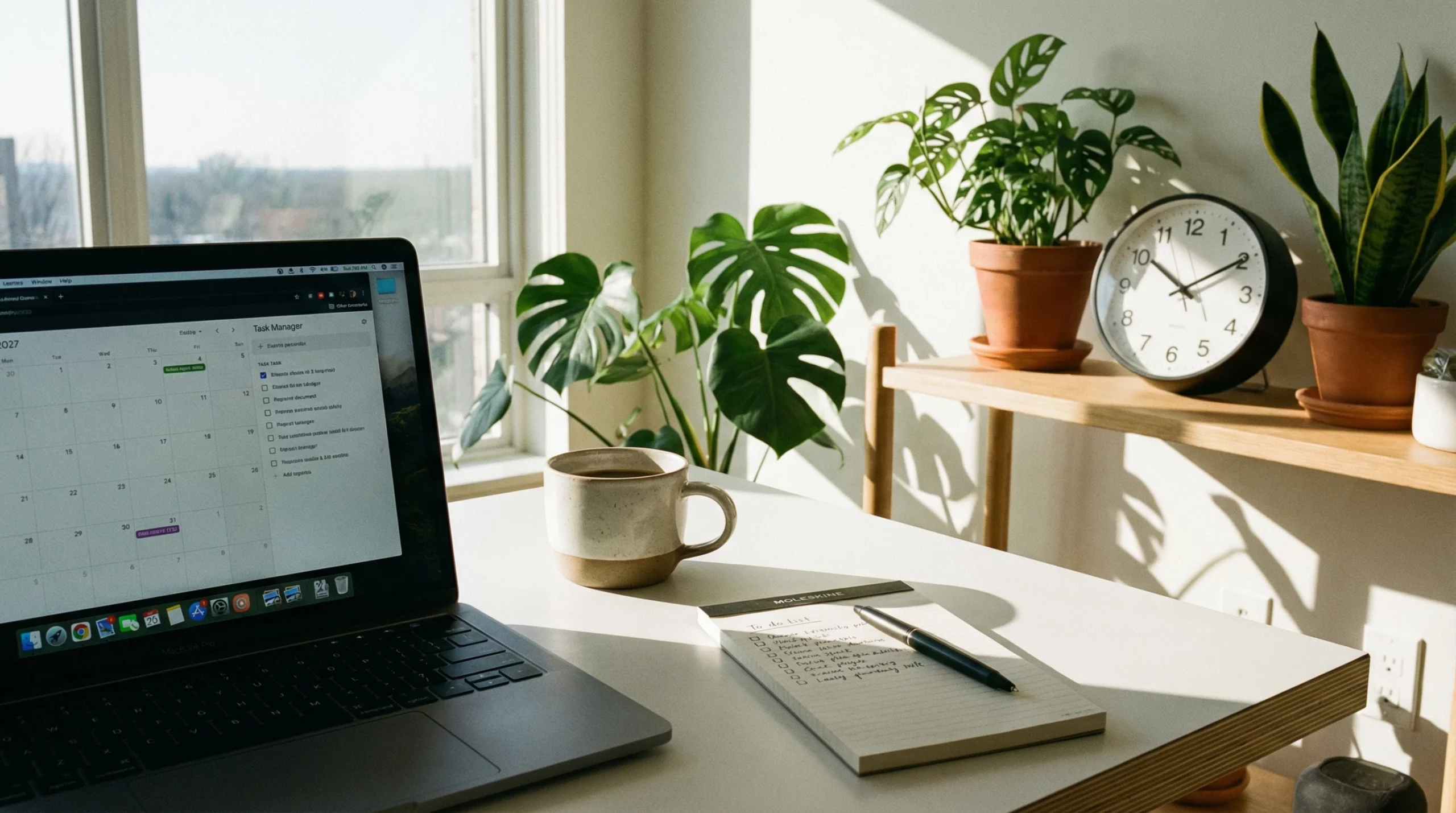
Managing time as a solopreneur can sometimes feel like juggling multiple balls at once. There are client projects, daily admin work, business growth tasks, and personal priorities that all demand attention. Over the years running my own business, I’ve learned that efficient time management isn’t about doing everything but figuring out how to work smarter and build in enough flexibility to handle whatever comes up. In this article, I’ll share strategies that help me get the most out of each day without burning out.
Investing in Support: Hiring Additional Workers
When every task, whether big or small, depends on me, the workload can pile up quickly. Hiring parttime or freelance help has made a real difference in how I use my time. Bringing in a virtual assistant, bookkeeper, designer, or even someone to handle emails frees up hours in my week that I can pour into the parts of my business that really need my personal touch.
I usually start small, hiring for only the most repetitive or timeconsuming work. Posting on freelance platforms like Upwork or Fiverr has helped me find reliable people who specialize in specific tasks. This way, I’m not doing everything myself, and my business keeps running smoothly even as it grows.
While there’s always a cost to hiring, I view it as an investment that allows my business to grow beyond what one person can handle. Delegating tasks also means I can step away occasionally without risking missed deadlines or forgotten client needs. Even if it’s just a few hours a week, having a trustworthy helper makes a noticeable difference in both speed and peace of mind.
Buying Digital Assets to Automate Tasks
Automating parts of my workflow saves countless hours. I like to think about digital assets as any tool or software that handles a part of my business automatically. Scheduling software manages appointments without a single back and forth email. Accounting programs track invoices and payments while I focus on client work. Even using templates for emails, proposals, and reports lets me respond quickly without starting from scratch every time.
Choosing the right tools depends on my specific needs. For instance, scheduling tools like Calendly or project managers like Trello and Asana give me better oversight and reduce the risk of tasks slipping through the cracks. Email responders, invoice generators, and automated marketing tools all build in speed and reliability. The upfront setup does take time, but I find the hours saved each week are well worth it.
Integrating digital assets with my daily business routines helps reduce “decision fatigue” and routine admin time. Linking financial tools to my bank account means less manual data entry. Automated task reminders keep everything running, so I don’t have to rely on memory or sticky notes scattered around my desk.
As my business evolves, I regularly check out new digital tools that match my workflow. Sometimes, switching apps or trying out a new automation tool can give a real boost to efficiency, saving me two to three hours a week that I can invest back into core projects or personal time. Staying open to innovation and continual improvement ensures my processes never get stuck in a rut.
Keeping a Flexible and Frequently Updated Calendar
My calendar is the backbone of how I structure my day. I update it at least once daily, sometimes more, especially when priorities shift. Having all my calls, deadlines, and important reminders in one place helps prevent double bookings and reduces anxiety about missing something.
I set aside a few minutes each evening to move appointments or reprioritize tasks for the next day. As a solopreneur, unexpected things pop up all the time. A lastminute client request, a technical issue, or the chance to network with someone important could change everything. Keeping my calendar flexible, instead of cramming it full, gives me space to adapt without feeling overwhelmed.
Color coding events, blocking off focus hours, and even scheduling breaks are helpful tricks I rely on. If something needs to be done by a certain date, it goes on the calendar. This makes deadlines visible and provides realistic timeframes for how long each task will actually take.
In addition, I try to leave buffer slots open between meetings or tasks. This way, when a call runs over or urgent work comes up, I don’t have to disrupt my whole day. Consistently updating and checking my calendar has become second nature; it brings order and flexibility to fastmoving workdays.
Putting Alarms and Notifications To Use
Besides a digital calendar, I use alarms throughout my day as signposts. These aren’t just for morning wakeups; they remind me to step out for a break, transition between meetings, or wrap up a focus session. I’ve found that breaking my day into blocks with alarms makes large projects less daunting. It’s easier to stick with the plan when a chime signals it’s time to switch gears.
Notifications for emails or project updates help me stay on top of urgent matters without constantly checking my inbox. I set most notifications to only ping me during my chosen work hours. This keeps distractions from spilling over into my off time and gives me better control over how I respond to demands throughout the day.
Setting alarms also stops me from going down timewasting rabbit holes. If I’m working on something creative or strategic, an alarm for the end of a session is a solid prompt to stop, review, and then move forward. This helps fight fatigue and keeps progress steady across all areas of my business.
Experimenting with different alarm intervals—like the Pomodoro method or longer work sprints—lets me figure out what enhances my focus depending on the task. Over time, these signposts have become an automatic support system for getting important work done.
Making My Business Mobile for Extra Flexibility
Taking my business mobile gives me options for where and when I get things done. Using cloudbased tools means I can check emails, review client work, or update my to do list from just about anywhere. This mobility has been a lifesaver during travel, unexpected appointments, or days when I need a change of scene to recharge my focus.
Most business software now comes with mobile apps, making it easy to switch between devices. I regularly back up important documents to cloud storage, so nothing is stuck on a single computer. When I’m away from my home office, I can still respond to clients, send invoices, and even join video calls with a reliable internet connection.
Mobility also supports a flexible calendar and alarm strategy. I can rearrange appointments, get notified about project updates, and handle smaller tasks while on the go. This way, no matter what’s happening, business tasks and communication keep moving forward without stress. Plus, taking advantage of time on the road—like waiting rooms or commutes—helps me chip away at my task list even when I’m not at my main workspace.
Choosing Commission Based Pay to Align Motivation and Results
Commission based pay isn’t just for sales teams. As a solopreneur, I sometimes offer commission or outcomebased structures when working with collaborators, referral partners, or freelancers. This approach aligns everyone’s motivation and ensures payment reflects the actual value generated.
I’ve used commission models for everything from partnership marketing to freelance lead generation. For example, if someone brings in a new client or completes a project that directly increases revenue, they earn a percentage, rather than a flat fee. This reduces upfront costs for me and incentivizes highquality, resultsdriven work.
Commission based arrangements can help when growing a team slowly while keeping expenses manageable. I always make sure to agree clearly on targets, deliverables, and payment terms. Being clear about expectations prevents misunderstandings. This method supports growth and keeps everyone accountable for their impact, which is especially useful for performancebased tasks.
This system also lets me try out new partnerships with less financial risk. By only paying based on actual results, I can test different marketing channels, lead sources, or creative services. It connects pay directly to outcomes, keeping everyone motivated to deliver their best.
Challenges and Ways to Adjust as a Solopreneur
Time management isn’t about perfection. There are always challenges. One of the hardest parts is learning to delegate, especially if I’m used to doing everything myself. Trusting others or relying on digital automation might take a little practice, but the payoff in freedup time is real.
Staying flexible is super important. Even with careful planning, urgent matters can knock the day off track. I often remind myself that the calendar is a tool, not a rulebook. Giving myself patience to switch tasks or reschedule makes highpressure days more manageable.
Burnout is also a risk when managing everything solo. Blocking time for breaks and nonwork responsibilities helps me maintain energy. I use timers to remind myself to eat, stretch, or even step outside for a walk. Over time, these small boundaries create a better balance between work and downtime. Checking in with myself about my energy and workload each week also means I can make small tweeks before things reach a breaking point.
Common Questions from Solopreneurs
Some questions I get about time management as a solopreneur come up repeatedly. Here are a few, along with what’s worked for me.
Question: How do I decide which tasks to automate or delegate first?
Answer: I start by tracking my time for a week. Then, I delegate or automate anything that’s repetitive, takes up big chunks of time, or doesn’t directly move my business closer to its core goals.
Question: How do I avoid burnout when there’s always more to do?
Answer: I schedule regular breaks, set start and stop times for each workday, and try to keep weekends free. Mobility and alarms also help me stay on track without getting bogged down by long, unfocused hours.
Question: What tools should I prioritize for time management?
Answer: A combination of a reliable calendar (like Google Calendar), project management apps (Trello, Asana), cloud storage, and alarms or timers work well for me. What matters most is consistency and adapting as my needs change.
Making Time Work For You as a Solopreneur
Building and running a business solo has its challenges, but it’s possible to shape each day in a way that feels both productive and sustainable. Hiring support, automating routine tasks, and keeping schedules flexible are all key to freeing up more time for the work I care about most. Using alarms, going mobile, and choosing creative pay structures help support a system that can grow with my business. With some trial and error, I’ve built routines that work with the unpredictability of solopreneur life. I’m always ready to adjust as my priorities switch up.