
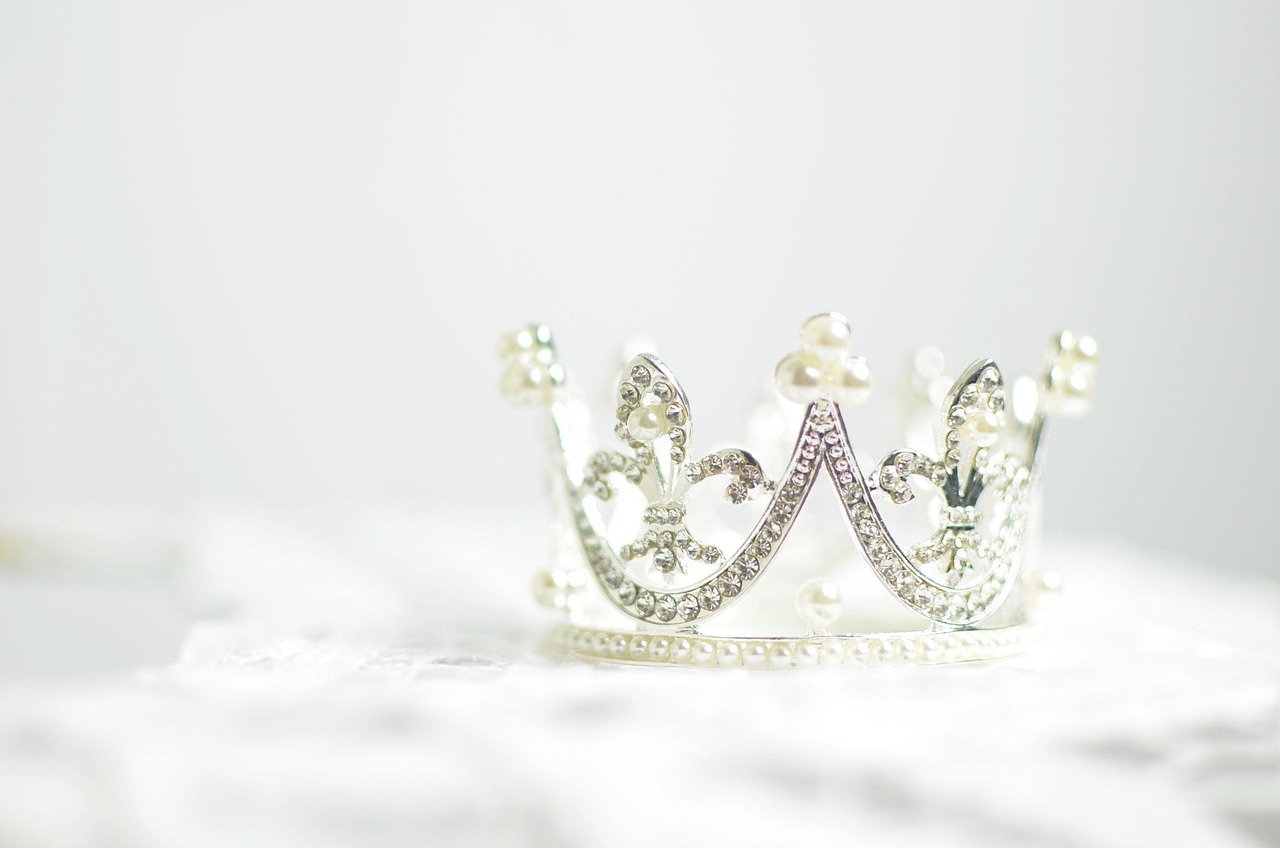
At its core, a tiara has always functioned as a visual declaration. Long before introductions or explanations, it signals royalty. Not necessarily royalty in the literal, bloodline sense—but a claim to elevated presence. The tiara announces that the wearer is not meant to blend in. It subtly reshapes how the room responds. People straighten up. Eyes linger. Tone shifts. In that way, the tiara isn’t asking for attention—it’s assuming it belongs there. This is where empowerment quietly begins: in the assumption of worth, not the request for it.
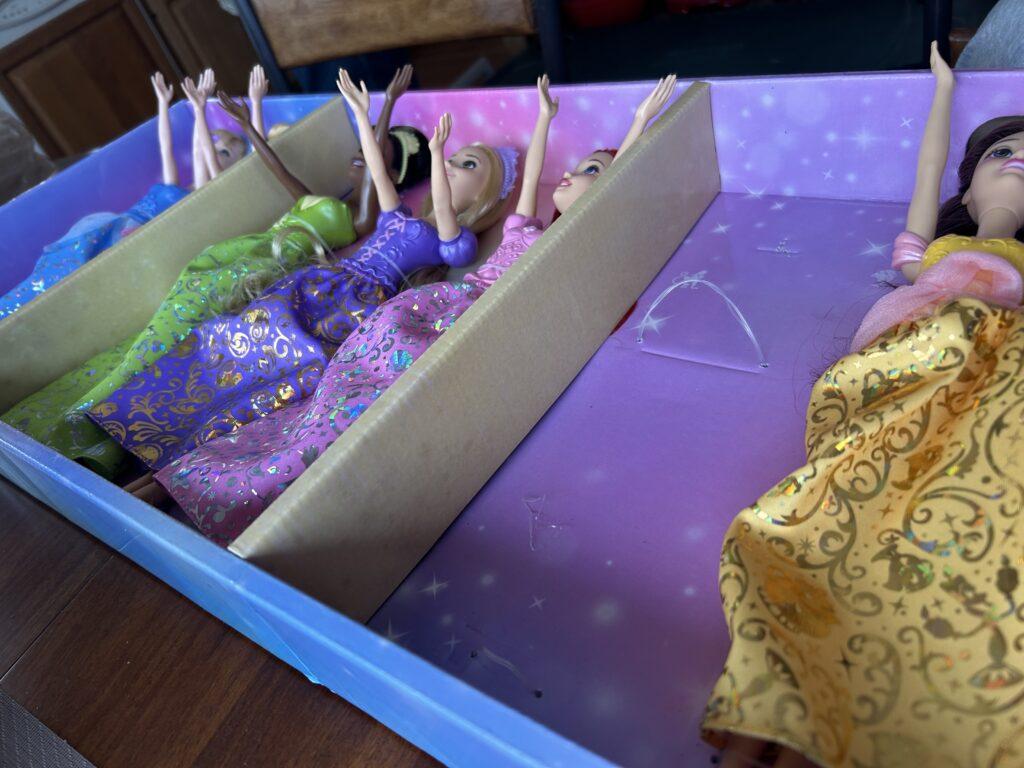
An Exterior Portrayal of Inner Authority
A tiara is an exterior portrayal of something internal—self-recognition. It doesn’t create confidence; it reveals it. Much like a uniform or a crown, the tiara reflects how the wearer already sees herself, then mirrors that image back to the world. For women especially, whose authority has often been questioned or minimized, this outward signal becomes a form of visual language. It says, I recognize my value first. The power lies in choosing the symbol, not waiting for validation.
A Symbol That Demands Respect
Whether consciously or not, a tiara demands respect. Society has been conditioned to associate head adornments with leadership, ceremony, and hierarchy. You don’t casually ignore someone wearing a tiara. It interrupts the default narrative. This isn’t about superiority—it’s about presence. Respect here doesn’t come from domination, but from distinction. The tiara marks the wearer as someone who understands her positioning and expects to be met accordingly.
Unity, Belonging, and Shared Identity
Historically, tiaras have represented more than an individual—they’ve symbolized unity. A family lineage. A royal house. A community bound by shared values or purpose. Even today, the tiara can echo that meaning. It can signify that the wearer comes from something—or stands for something—larger than herself. In the context of women’s empowerment, this becomes powerful. The tiara stops being an isolated accessory and starts feeling like a badge of collective strength: I stand with other women who recognize their worth.
A Wedding Ring for the Head
Perhaps the most striking interpretation is the idea of the tiara as a wedding ring for the head. It signals destiny, alignment, and equal standing. Traditionally, it implies a union—either you are destined to acquire a mate of the same status, or you come from a couple that already meets that criteria. Symbolically, this reframes partnership as equality, not rescue. The tiara suggests that the wearer is already whole, already elevated—any partnership must meet her where she stands.
Royalty and Self-Permission
So does a tiara signal royalty, or self-permission to take up space? The answer is both. Royalty is the language. Self-permission is the message. Together, they create a powerful visual truth: empowerment doesn’t always roar. Sometimes it rests quietly on the head, unbothered, unapologetic, and fully aware of its place in the room.
I don’t know much about the history of royalty, but I find the psychological side of this fascinating. The idea that an object can change how a person carries themselves is so powerful. Beyond the tiara, do you think there are other modern ‘symbols’ that women are using today to claim that same kind of space and authority without needing a title?
It’s actually answered in the second to last sub header! The tiara is synonymous with a wedding ring. I’d say that’s a symbol that women and even some special men that hold it with value. We can even look at it more on a macro level and observe the culture of America.
What a fascinating psychological exploration of how a single accessory can serve as a powerful psychological anchor. It reframes the tiara from merely a “costume” into a means of reclaiming one’s presence in a world that often encourages women to diminish themselves.
I’m curious about your thoughts on the modern evolution of this idea: Do you think that “tiara energy” is being replaced by other contemporary symbols of self-empowerment, such as bold fashion choices or the way someone presents themselves in digital spaces? Or is there something uniquely irreplaceable about the physical form of a “crown” that resonates with our primal understanding of leadership?